How it works
Brief it. Watch it. Read what went unsaid.
A Solon project is one focus group, in the five steps a research team would take: a brief, a recruited panel, a moderated session, a report, and the questions you think of afterwards.
01Brief
What you want to learn.
Write the brief the way you’d hand it to a researcher. If the page is empty, start from a line:
- The decision this informs:
- What we’re testing:
- Who it’s for:
- What we’re worried about:
- Don’t tell the panel:
The panel never reads the brief. They hear only what the moderator tells them, and the moderator keeps back what you mark as not for the panel.
- Materials for the room. Up to 12 a project: PDF, Word, text or Markdown documents of up to 25 MB, images, and video.
- Video stays on your computer. Your browser takes up to 12 stills from it, and only the stills are uploaded.
- Read before the room sees them. Each material is read and described, so the moderator knows what it is showing and when to show it.
- Quick. A first read: reactions and the main reasons.
- Standard. The full discussion. Right for most briefs.
- In-depth. Every angle. Best when comparing concepts.
02Panel
Recruited the way a real panel is.
A recruiter reads your brief and drafts the recruiting brief: who should be in the room and why. It shows as plain controls. Leave a filter on “Any” and records are drawn in proportion to the US adult population.
What you can set
- How many people
- Recruited for
- Starting attitudes
- Ages
- Gender
- Ethnicity
- Region
- Household income
- Kids at home
- Owners or renters
- Disability
From 3 to 8 people, six unless you say otherwise. Ethnicity follows the ten groups the app recruits from, including East, South and Southeast Asian as separate groups, and multiracial.
A room that disagrees on purpose
You set how many people come in with each starting attitude, and Solon deals them out. A room where everyone starts out agreeing teaches you nothing.
- Fans, already like this kind of thing
- Open, willing to be convinced
- Neutral, don’t think about it much
- Skeptics, doubtful
- Rejecters, it isn’t for them
Each person gets a face from the portrait library, and their life story is written while you look at the cards. Swap anyone for someone else who fits the same brief.
How a person is made
Four layers, so no two sound alike.
What really separates people in a focus group is their life: their money, their habits, their history with the category. Temperament comes second. So each person is built in four layers. Their group style and starting attitude are casting choices, the way a recruiter fills quotas, not something read from their record.
The facts come from one real, anonymous Census record. From them, Solon writes a life interview in the person’s own voice: their routines, what they love and regret buying, what they refuse to pay for.
A DISC style decides who speaks up first, who pushes back, who asks for proof, and who agrees out loud while doubting it in private. Styles are cast across the room, so any room of four or more has all four.
Whether they try new things early or wait, price or quality, loyal or happy to switch, gut or research, and who and what sways them, written to fit their life.
Their register, how long they go on, phrases they actually use, their humour, and what they’d never say.
Where the facts come from
Public US government data, downloaded once and built into tables. With no filters set, records are drawn in proportion to the US adult population, using the survey’s own weights. Even so, three to eight people are a qualitative read, not a sample. Disability comes from the record and shapes what a person notices and says, never how they look.
- American Community SurveyThe person: age, sex, background, place, household, education, work and work hours, commute, income, housing costs, vehicles, health insurance, disability, language and origin. U.S. Census Bureau, 2024, 1-year public-use microdata.
- Occupational Employment and Wage StatisticsHow their pay compares with others in the same occupation. Bureau of Labor Statistics, May 2025.
This product uses Census Bureau data but is not endorsed or certified by the Census Bureau.
03Session
Read the plan. Then watch the room.
The moderator writes a discussion guide from your brief and materials: what to ask, in what order, and what to show when. Read it before anything runs, and ask for a new draft with a note if it misses something.
- People talk to each other. They answer the moderator and reply to one another by name, before the moderator takes the floor back.
- First reactions on cards. When the moderator shows something, everyone writes a private reaction, and a rating if the guide asks for one, before anyone speaks.
- The moderator sees what a moderator would. What people say, how they look saying it, and their card ratings. Never their thoughts.
- You see more. Turn on inner thoughts to read what each person keeps to themselves. Pause and resume whenever you like.
- A last private rating. When the session has rated or shown anything, each person rates again on a card at the end, so the report can show who moved and why.
You’ve all seen the refill pack now. Mark, you shook your head when it came round. Say more?

I’ve bought the same stick for twenty years. Why would I pay more to do the refilling myself?
ThinkingThe case is nicer than mine, to be fair. Not saying that in front of everyone.
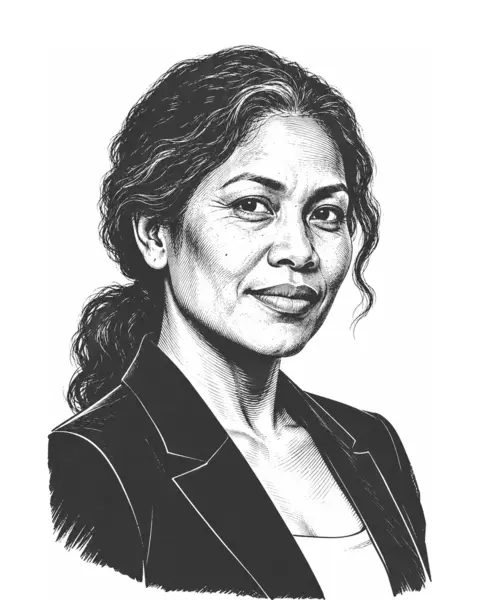
Mark, I’d pay more if it lasts. My two go through a stick a month each.
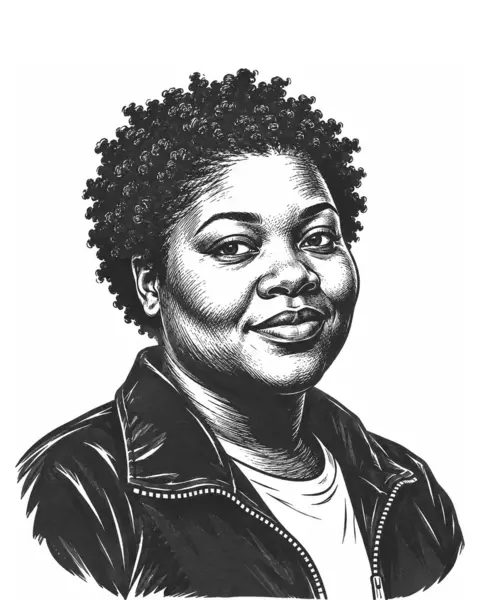
Same. As long as the refills are in the store and not only online.
ThinkingI’d forget to reorder it online. I know myself.
Keisha, what would happen if the refills were online only?
04Report
Written by someone who read everything.
The analyst reads the whole session, including every card and every private thought, and writes the report in five parts. Each finding says how many people it came up with and how clearly the session supports it. Nothing is turned into a percentage.
- The headline and key findingsWhat the room told you, each finding with how many people it came up with, which way they leaned, and how clearly the session supports it.
- Themes across the roomWhat kept coming back, in people’s own words.
- Each person’s view, and how it movedWhere each person started, where they ended, and why. Including where what they thought differed from what they said.
- What was thought but not saidObjections, doubts and good ideas that stayed in people’s heads.
- What to test nextHypotheses worth testing with real people, why the session suggests each one, and how to check it. Then how the session was run, and its limits.
Download it as a PDF, with each person’s portrait, and add the full transcript with inner thoughts if you want the whole record.
05Ask
Ask the moderator what you forgot to.
After the session, the moderator becomes your researcher. Ask anything, up to 25 questions a project. It answers from what it heard, or goes back to the people who can answer: each one on their own, away from the room, remembering the whole session. People are often more candid one-on-one.
The answer names who said what, and you can read each person’s reply, and what they were thinking, underneath.
My People
Put people you know beside the panel.
Describe a real person once, ideally in their own words, and seat their twin on any panel in your workspace. It’s your own check on whether the panel sounds like people you know.
Their age, background, where they live, household, work and money, plus an optional photo, shown in black and white beside the portraits.
Twelve quick choices for their DISC style, scored without AI, and a few questions about how they buy.
Six short interview questions. These matter most: the twin speaks from these answers, word for word.
Three questions are held back from the twin. It answers them blind, you see “they said” beside “their twin said”, and anything it gets wrong becomes a correction.
Up to 30 people a workspace. Describe someone only with their permission. Seating a person copies them into that project, so later edits don’t change a session that already ran.