AI focus groups
Hear the room before you’re in it.
Tell Solon what you want to learn. It recruits a panel of people built on real, anonymous Census records, and a moderator runs the discussion while you watch. Then an analyst writes up what was said, and what was only thought.
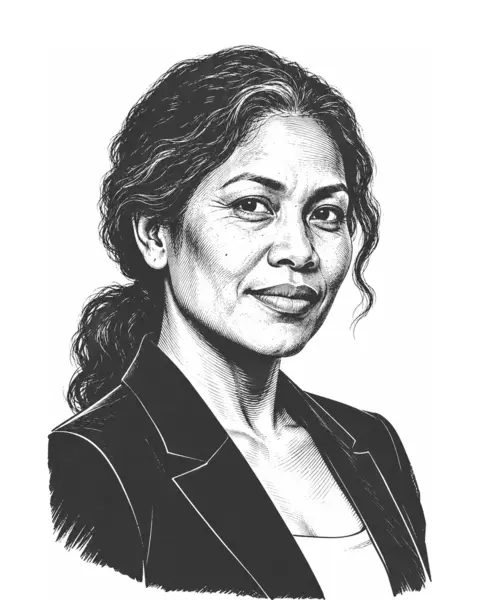

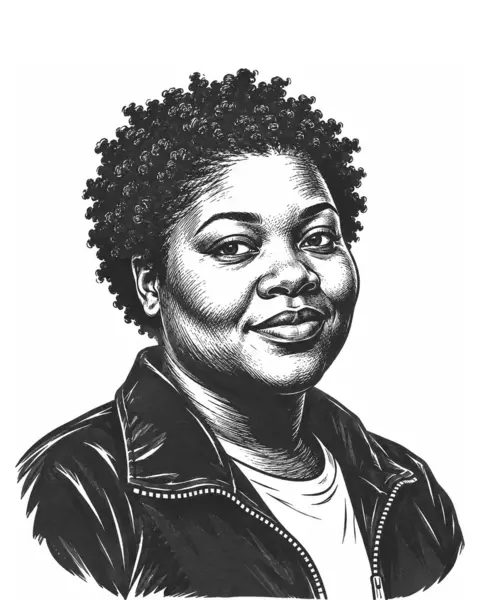


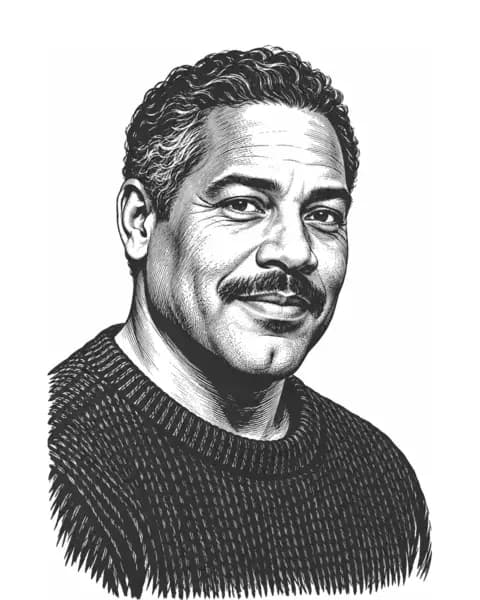
Faces from Solon’s portrait library. Each person on a panel gets one, matched to their age, sex and background as closely as the library allows, and no two people in a room share one.
00The idea
Start from real lives. Don’t invent them.
Every person on a Solon panel is built from one real, anonymous record in the Census Bureau’s 2024 American Community Survey. Their age, where they live, their household, work and work hours, commute, income, housing costs, disability, language and origin all come from that record, so they fit together the way they do in real life.
Their pay is set against federal wage figures for their occupation. Only then does Solon write their life story, in their own voice, to fit those circumstances.
01Brief
What you want to learn
Write it the way you’d brief a researcher: the decision it informs, what you’re testing, who it’s for. Mark what the panel mustn’t be told. The panel never reads your brief; they hear only what the moderator says.
Add up to 12 materials for the room to react to: PDF, Word, text or Markdown files, images, and video, which your browser turns into stills before anything is uploaded.
02Panel
Who’s in the room
A recruiter reads your brief and suggests who should be there, the way a professional writes a screener: what they buy, how old, where, what they earn, and how they feel about the category coming in. Change any of it, then recruit.
Each person arrives with a face, a life story, a way of talking and a way of behaving in a group. Swap anyone for someone else who fits.
03Session
Watch them talk. Read what they don’t say.
The moderator writes a discussion guide from your brief, and you read it before anything runs. Then the session plays out in front of you: people answer each other, not just the moderator, and the moderator probes what’s interesting, brings in the quiet ones, and looks for dissent when the room agrees too quickly.
- Private first reactions. When something is shown, everyone writes a card before anyone speaks.
- Inner thoughts. Turn them on to see what each person keeps to themselves.
- A room that disagrees. Some people go along out loud and doubt in private; the record keeps both.
You’ve all seen the refill pack now. Mark, you shook your head when it came round. Say more?
I’ve bought the same stick for twenty years. Why would I pay more to do the refilling myself?
ThinkingThe case is nicer than mine, to be fair. Not saying that in front of everyone.
Mark, I’d pay more if it lasts. My two go through a stick a month each.
Same. As long as the refills are in the store and not only online.
ThinkingI’d forget to reorder it online. I know myself.
Keisha, what would happen if the refills were online only?
04Report
Counts, quotes and the gaps between them.
An analyst reads everything, including the private cards and thoughts, and writes it up in five parts. Every finding says how many people it came up with, never a percentage. Download it as a PDF, with the transcript if you want it.
What the room told you, each finding with how many people it came up with, which way they leaned, and how clearly the session supports it.
What kept coming back, in people’s own words.
Where each person started, where they ended, and why. Including where what they thought differed from what they said.
Objections, doubts and good ideas that stayed in people’s heads.
Hypotheses worth testing with real people, why the session suggests each one, and how to check it. Then how the session was run, and its limits.
05Ask
The conversation after the conversation
Ask the moderator anything about the session, up to 25 questions a project. When the answer needs it, the moderator goes back to the people who can give it, one at a time, away from the room, and tells you what each said.
My People
Real people beside the panel
Describe someone you know, in their own answers, and seat their twin on any panel. Then check it: the twin answers questions you held back, and you compare what they said with what their twin said.
The honest bits
A rehearsal, not a replacement.
The people are synthetic
They’re built on real records, but nobody on a panel is a real respondent. Use Solon to explore an idea and sharpen it before you put it in front of real people.
A panel isn’t a survey
3 to 8 people can surface reasons, objections and language. They can’t tell you what share of a market will buy.
Findings are hypotheses
The report ends with what to test next and how, and says plainly how the session was run and where its limits are.
Who it’s for
One idea, or a client a week.
A project is one focus group: a brief, a panel, a session, its report and its follow-up questions. How many you need is the only difference between the plans.
Plans
One payment. No subscription.
Every project includes everything on this page. Projects don’t expire, and you can buy any plan again to add more.
Solon 1
$29one payment
1 project
For one product, campaign or idea
Buy Solon 1$29Solon 5
$125one payment
5 projects
For a team testing several ideas
Buy Solon 5$125Solon 10
$220one payment
10 projects
For agencies and research teams
Buy Solon 10$220A project whose session hasn’t run can be deleted and used again. How plans and projects work.